Home < News < Seismic Isolation Bearings in the Philippines: Essential Guide for Earthquake-Resistant Construction
Seismic Isolation Bearings in the Philippines: Essential Guide for Earthquake-Resistant Construction
The Philippines is located in one of the world's most active seismic zones—the Pacific Ring of Fire. Earthquakes pose a constant threat to infrastructure, making seismic safety not just an engineering concern but a national priority. As the country continues to develop rapidly, the adoption of advanced seismic protection technologies has become crucial. Among these, seismic isolation bearings stand out as a proven and effective solution for enhancing the earthquake resilience of both bridges and buildings.
This comprehensive guide explains what seismic isolation bearings are, how they are used in Philippine infrastructure, their key benefits, and why they are essential for future-proof construction.
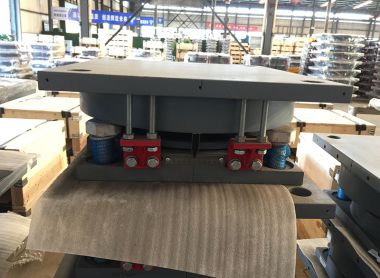
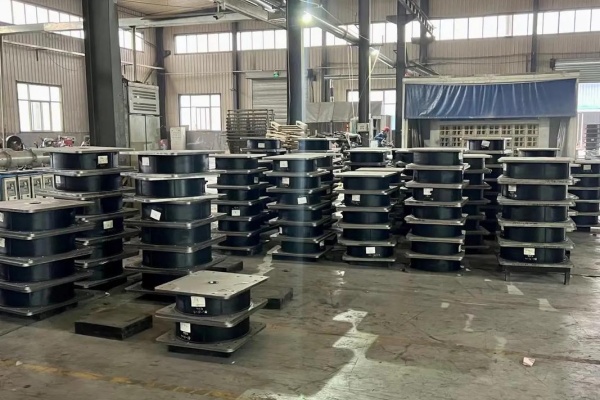
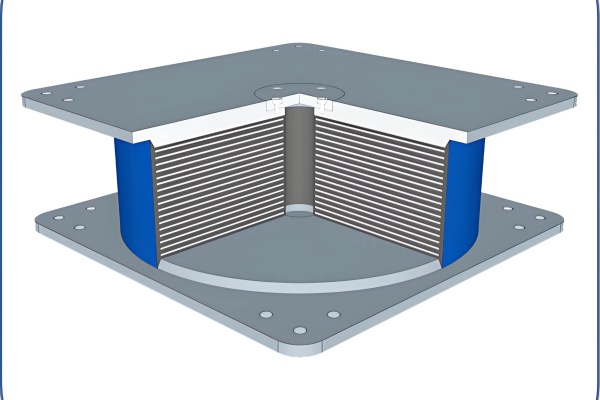
Seismic isolation bearings are specially designed structural devices installed between a building or bridge’s foundation and its superstructure. They function like advanced shock absorbers, isolating the structure from the violent horizontal motions of an earthquake. By absorbing and dissipating seismic energy, these bearings significantly reduce the forces transferred to the building or bridge above—protecting structural integrity, preventing collapse, and safeguarding lives and assets.
Why the Philippines Needs Seismic Isolation Technology
The Philippine archipelago experiences frequent seismic activity due to its position along multiple tectonic plate boundaries. Major cities such as Manila, Cebu, Davao, and Baguio are in high-risk zones. In this context, conventional fixed-base construction often falls short under extreme shaking. Seismic isolation provides a measurable upgrade in performance, allowing structures to remain functional even after strong earthquakes—a critical factor for hospitals, emergency centers, bridges, and communication hubs.
Applications in Philippine Infrastructure
Bridges are lifelines for mobility and economic connectivity. Their failure during an earthquake can disrupt rescue operations and supply chains for months.
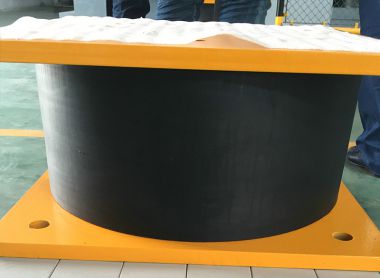
New Bridge Projects: The Cebu-Cordova Link Expressway (CCLEX) is a landmark example, utilizing lead-rubber seismic isolation bearings to accommodate movement and dissipate energy.
Retrofitting Existing Bridges: Older bridges, such as those along national highways and in metro areas, are increasingly being retrofitted with isolation systems to extend their service life and meet updated safety codes.
From high-rise condominiums to essential public infrastructure, seismic isolation is becoming a best practice in Philippine construction.
High-Rise and Commercial Structures: Projects in Bonifacio Global City, Makati, and Cebu Business Park are increasingly specifying base isolation to protect investments and ensure business continuity.
Essential Public Buildings: Hospitals, schools, government offices, and data centers are prioritizing isolation systems to maintain functionality post-disaster—supporting national resilience and disaster response planning.
Key Benefits for Builders and Developers
Enhanced Safety: Greatly reduces risk of structural damage and collapse during earthquakes.
Reduced Downtime and Repair Costs: Non-structural components (partitions, ceilings, façades, MEP systems) suffer less damage, speeding up recovery.
Long-Term Value Preservation: Isolation protects the asset’s value by preventing severe damage and supporting insurance and financing advantages.Compliance with Evolving Codes: Aligns with the National Structural Code of the Philippines (NSCP) and international seismic design standards.
Despite clear benefits, broader adoption in the Philippines faces certain challenges:
Upfront Cost Perception: Initial investment is higher than conventional systems, though lifecycle cost analyses show clear economic advantages.
Technical Expertise: Requires specialized design, testing, and installation knowledge—currently growing among local engineering firms.
Awareness and Regulation: Ongoing education for developers, contractors, and policymakers is needed to integrate isolation early in project planning.
The Future of Seismic Isolation in the Philippines
With increasing urban density and heightened emphasis on disaster resilience, the use of seismic isolation is projected to rise. Key drivers include:
Updates to building codes emphasizing performance-based design.
Government and private sector commitments to build back better.
Growing local expertise and availability of isolation bearing suppliers.
Leading Philippine engineering universities and professional organizations are also incorporating seismic isolation design into curricula and continuing education programs.
Seismic isolation bearings represent a smart, forward-looking investment in the seismic safety of Philippine infrastructure. Whether for iconic bridges, high-rise towers, or life-saving hospitals, this technology provides a measurable difference in resilience—protecting people, preserving function, and supporting sustainable development.
For developers, engineers, and decision-makers across the Philippines, integrating seismic isolation is not merely an added cost, but a strategic commitment to building a safer and more resilient future.