Home < News < A Professional Guide: Where Peruvian Bridge Contractors Source Bridge Bearings and Their Key Concerns
For Peruvian bridge contractors and project developers, selecting the right bridge bearings is a critical decision that impacts the safety, durability, and cost-effectiveness of infrastructure projects. This analysis explores the primary sourcing countries and the core considerations driving their procurement strategies, with a focus on technical specifications like LRB (Lead Rubber Bearings) and other advanced systems.
The Peruvian construction market sources bridge components from a diversified global supply chain. Key countries include:
China: A dominant source due to strong cost competitiveness, complete product ranges, and turnkey project capabilities. Chinese firms have secured major contracts from the Peruvian Ministry of Transportation for modular steel bridge projects.
Brazil: A significant regional supplier. Geographical proximity offers advantages in logistics costs, lead times, and supply chain responsiveness, crucial for urgent projects or spare parts.
Turkey: Recognized for expertise in specialized steel fabrication and engineering, providing high-quality components for complex projects.
Others: Procurement is also diversified with European nations like Portugal (for design) and neighboring Chile for specific materials.
Understanding the technical options is vital. Here’s a breakdown of common bridge bearing types:
Bearing Type | Key Characteristics | Typical Applications in Peru |
Elastomeric Bearings | Layers of rubber and steel plates; accommodate translational movements. | Small to medium span bridges with moderate movement needs. |
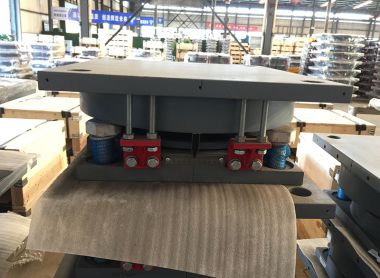
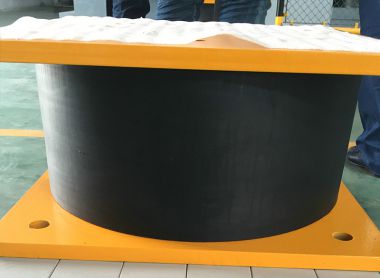
LRB (Lead Rubber Bearings) | Incorporates a lead core for energy dissipation; excellent for seismic isolation. | Critical for Peru's seismic zones. Used in highway bridges, overpasses, and seismic retrofitting. |
Pot Bearings | Confined elastomeric disk for high load capacity and multi-directional rotation. | Long-span bridges, heavy-load applications like those in mining infrastructure. |
Spherical Bearings | Sliding spherical surface for rotation and movement under very high loads. | Complex bridges with significant rotational demands. |
When sourcing bridge bearings and LRB seismic isolators, Peruvian engineers and contractors prioritize:
Seismic Performance and Certification: Given Peru’s high seismic risk, proving the seismic performance of LRB bearings is paramount. Suppliers must provide certified test reports (e.g., according to AASHTO, EN) verifying damping ratios, shear stiffness, and fatigue life.
Total Cost of Ownership (TCO): Beyond unit price, contractors calculate logistics costs from China, import duties, and currency exchange risks. Sourcing from Brazil may offer a lower TCO for time-sensitive projects despite a higher product price.
Supply Chain Resilience: Projects are vulnerable to delays from global disruptions or local events like El Niño. Suppliers with a proven track record of on-time delivery to Peru and regional warehousing are highly valued.
Technical Compliance and Support: Products must meet Peruvian AASHTO-based norms and MTC regulations. Post-sales technical support for bearing installation and maintenance is a decisive factor.
Quality and Long-Term Durability: Contractors require evidence of quality management (ISO 9001) and material certifications. Durability in specific environments (e.g., coastal salinity, Amazon humidity) is critically assessed.
To successfully engage the Peruvian market for bridge bearing supply:
Highlight Seismic Expertise: Clearly document LRB bearing testing protocols and project case studies in seismic regions.
Offer Localized Logistics: Explore partnerships for local stockholding or assembly to reduce lead times.
Provide Comprehensive Documentation: Ensure all technical data sheets, certifications, and manuals are available in Spanish, aligned with local codes.
Engage at Industry Events: Participate in key trade shows like EXCON Lima to build direct relationships with Peruvian bridge construction companies.
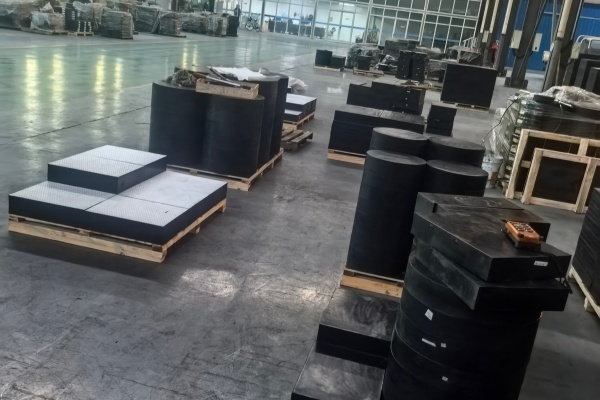
In conclusion, Peruvian contractors source bridge bearings and seismic isolation devices from a global network, with decisions heavily weighted towards seismic reliability, total cost control, and supply chain security. Suppliers who transparently address these concerns with technical depth and local market understanding will gain a competitive edge.