Let's face it: Peru and earthquakes go hand-in-hand. With over 85% of its people living in shaky zones, the old way of building just to "not fall down" wasn't enough. The real game-changer came in 2014 with Mandatory Law No. 29476.
This law didn't just give suggestions—it set hard rules. It said all new, important public buildings like schools, hospitals, and government towers must use advanced seismic isolation systems. Overnight, base isolation in Peru moved from an "extra" to a "must-have."
The results speak for themselves. In Lima, the use of this tech in new public projects jumped from almost nothing to over 75%. This bold move is why Peru is now seen as the top student in the class for earthquake-proof building design in the region.
So, where do you actually find these life-saving devices? All over the place!
·
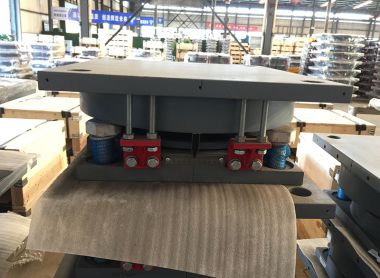
Keeping Bridges Standing: Take the "Bridge of Unity" linking Lima to Callao port. It sits on some of the largest friction pendulum isolators in South America. During a quake, these giant bearings let the bridge deck slide safely side-to-side. Thanks to rules from Peru's road authority, over 120 important bridges now use this bridge seismic isolation tech.
Guarding Priceless Heritage: Peru's history is set in stone, and protecting it is critical. In Cusco, engineers installed nearly invisible seismic isolation bearings under the Santo Domingo Church, which is built right on top of the legendary Inca Sun Temple. This clever seismic retrofit for historic buildings saves the past without changing a single visible stone.
In the Places You Live and Use: The best part? This safety is spreading. Thanks to local innovations, low-cost seismic isolation solutions for regular homes are here, adding only about 3%-5% to building costs. Even the Lima Metro stations are built on base isolators, ensuring the city's transportation "lifeline" keeps running when it's needed most.
·
Peruvian engineers didn't just import technology; they reinvented it for their home's specific needs:
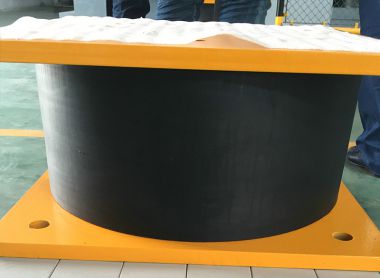
For Lima's Wobbly Ground: Much of Lima is built on soft, sandy soil that shakes like jelly. The solution? Hybrid seismic isolation systems that combine rubber bearings with special dampers. This is now key for earthquake-proofing buildings in Peru's coastal areas.
For History's Sake: They are masters of the "invisible" protectors, designing low-visibility seismic isolators that keep colonial-era churches and historic downtown areas safe without spoiling their classic looks.
Making Safety Affordable: By creating low-cost seismic isolator options, they've put high-level earthquake damage prevention within reach for social housing projects, proving safety isn't just for luxury towers.
The payoff is huge. Data shows buildings equipped with these seismic damping systems can see up to 80% lower repair costs after a quake. Investing in seismic isolation devices is proving to be a financially smart move for the long run.
Peru isn't stopping. The national plan aims to add seismic protection to 5,000 more buildings by 2025. As more are built, the seismic isolator cost in Peru keeps dropping, making it an easier choice for everyone.
Sure, there are hurdles, like training more seismic engineering specialists. The government is tackling this with plans for new research centers and partnerships with countries like Japan, focusing on seismic upgrades for schools in Peru to protect the youngest generation first.
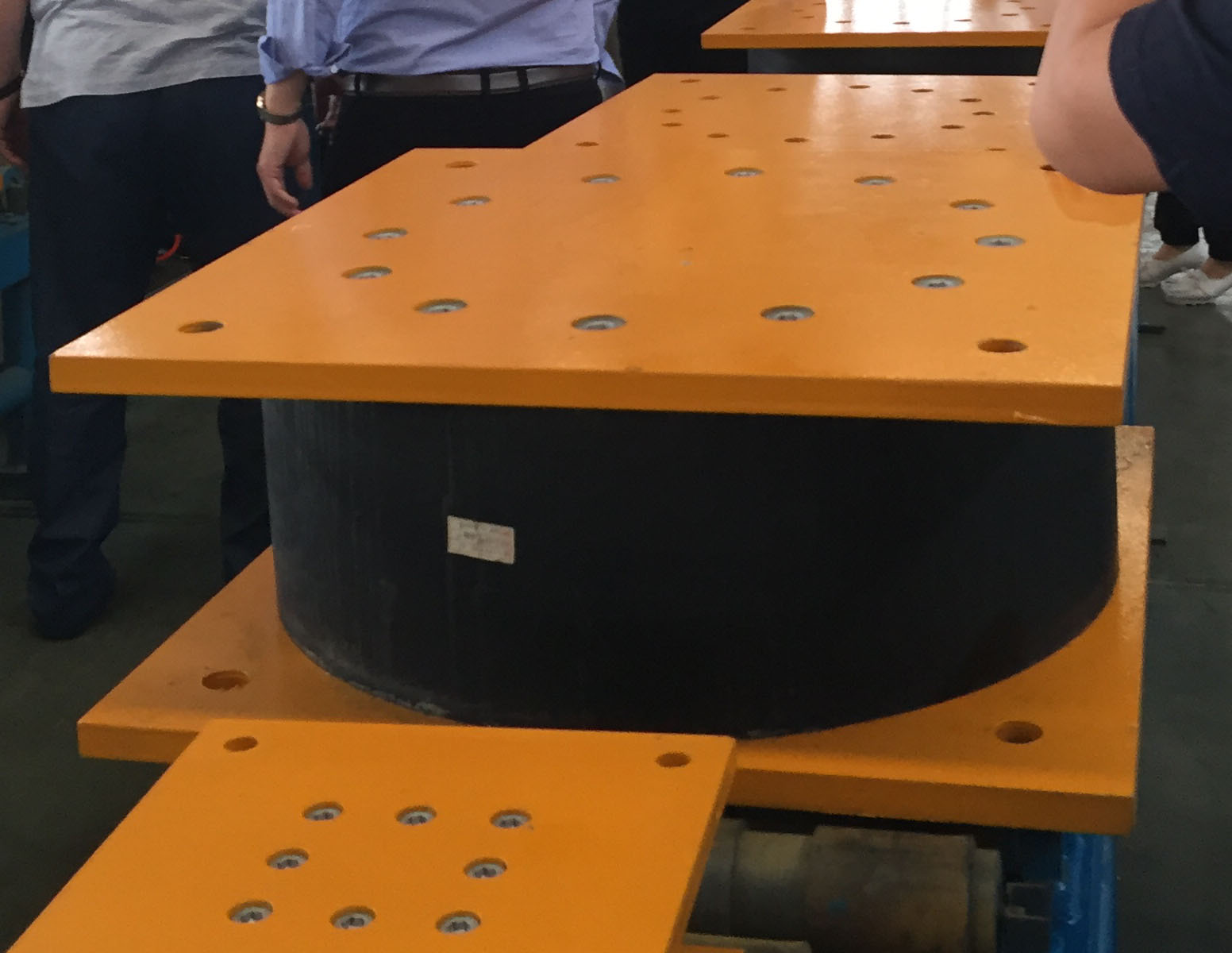
Final Word: The 2019 Piura earthquake was the ultimate test. Buildings with seismic isolation bearings and systems came through with minimal damage, their repair bills just a tiny fraction of others. For a nation on the Pacific Ring of Fire, embracing seismic isolation is a clear-headed commitment to resilience. It's about safeguarding lives today, protecting economic stability, and preserving a priceless cultural heritage for tomorrow. Peru is not just waiting for the next quake—it's building ahead of it.