The Philippines faces hundreds of detectable earthquakes yearly due to its location on the Pacific Ring of Fire. This makes seismic isolation bearing technology vital for protecting buildings and bridges.
From a Manila elderly home in 2004 to the new Cagayan Bridge in 2024, this technology is now a key part of the country's major construction projects.
The Philippines' "Build, Build, Build" program has created strong demand for seismic isolation bearing products. The Asia-Pacific region is a major market for these technologies.
The Department of Public Works and Highways (DPWH) often requires seismic isolation in big projects. Common types used in the Philippines include:
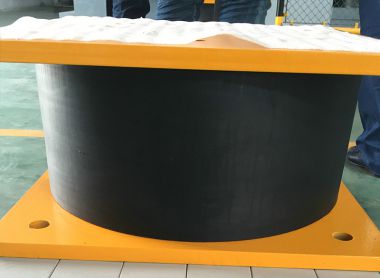
High Damping Rubber Bearings (HDRB)
Natural Rubber Bearings
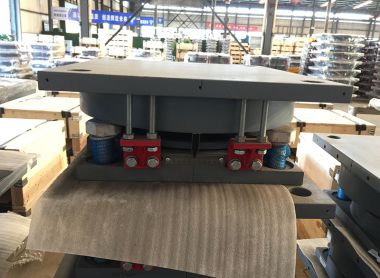
LRB (Lead Rubber Bearing) - known for good energy absorption
These are used in city overpasses, rail bridges, and large sea-crossing bridges.
The Philippines has many examples of seismic isolation.
Manila Elderly Home (2004): An early example of base isolation in buildings. Engineers used special analysis to place isolation devices correctly for safety.
Calamaniog Bridge in Cagayan: This long cable-stayed bridge uses a special support system with seismic isolation bearings. It is designed to handle very strong earthquake shaking.
Port Projects: Some southern port designs also use displacement-based seismic methods that fit international guidelines.
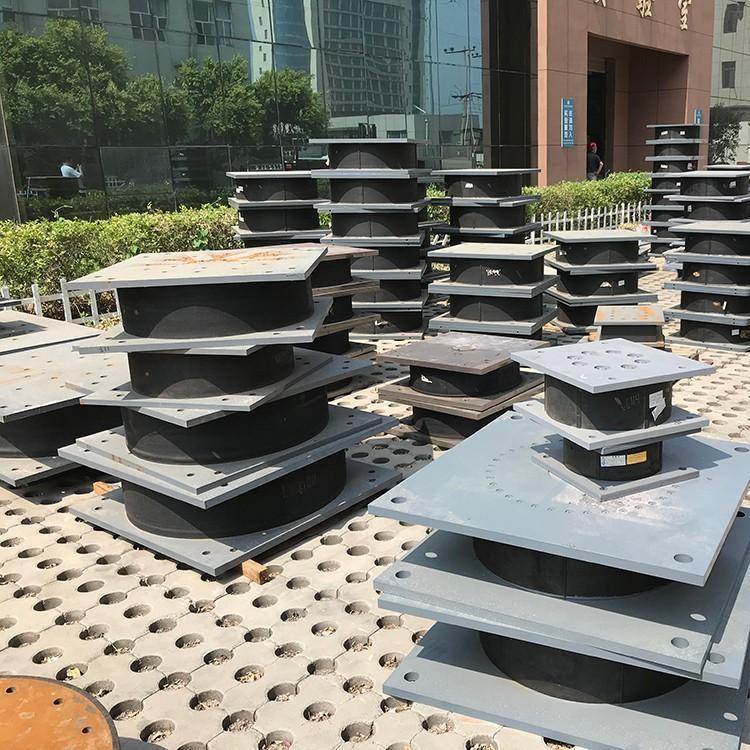
Earthquake protection has two main ideas: traditional "strong resistance" and modern "flexible isolation." Seismic isolation uses the second idea.
It places flexible bearings with energy dampers between the building and the ground. This makes the whole structure sway slower and reduces the force.
Here is a simple comparison of common types:
Bearing Type | Key Feature | Best For |
LRB (Lead Rubber Bearing) | Rubber for flexibility, lead core for energy absorption. | Tall buildings, large bridges. |
High Damping Rubber Bearing | Rubber itself absorbs energy well. | Buildings with high safety needs. |
Sliding Friction Bearing | Sliding surfaces use friction to absorb energy. | Large spaces, old building repair. |
Fiber-Reinforced Bearing | Uses fiber instead of steel; lighter and cheaper. | Residential buildings. |
LRB is very common in the Philippines for its reliable performance.
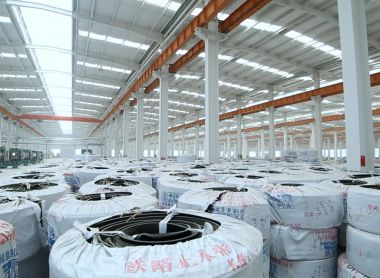
The market has both international and local suppliers. Major global companies include Bridgestone and DS Brown. Chinese manufacturers also supply projects here.
What to check when buying:
·
Local Standards: Products must meet strict Philippine building codes for earthquakes.
Local Support: Suppliers should offer quick technical help in the Philippines.
Certification: Always ask for test reports and quality certificates.
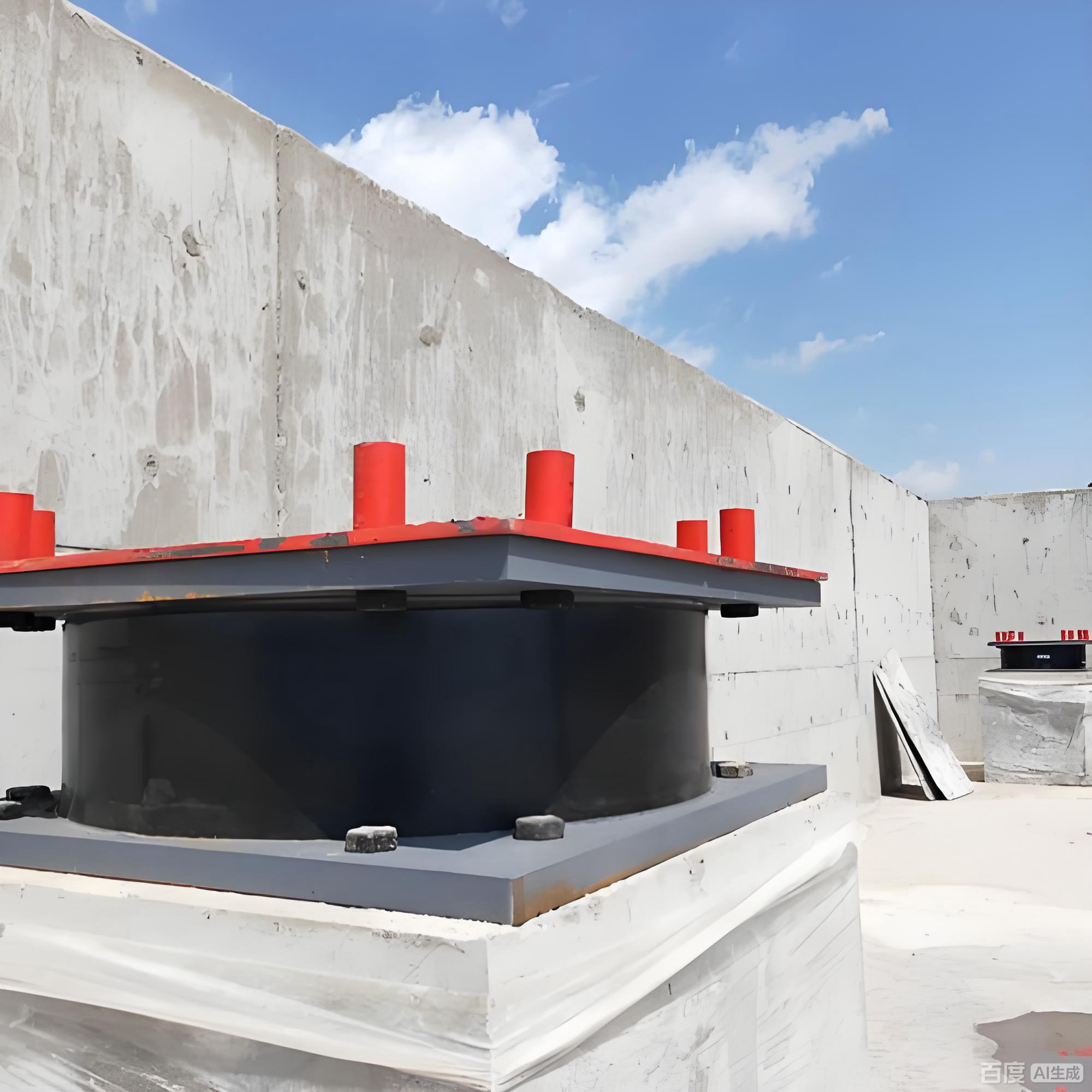
The industry in the Philippines is growing with new trends:
Greener Materials: Using recycled rubber (like from old tires) to make cheaper, eco-friendly bearings.
More Demand: The government's focus on safe, strong infrastructure will need more seismic isolation bearing technology.
Better Policies: Strict safety rules help create a good market for quality products.
·
Conclusion
Seismic isolation, especially reliable technologies like the LRB (Lead Rubber Bearing), is helping the Philippines build stronger. As the country continues its development, these technologies will remain essential for safety. This guide provides a clear starting point for anyone interested in seismic isolation bearings in the Philippine market.