Home < News < The Critical Role of High Pressure Pipe Plug with Bypass in Modern Pipeline Maintenance
The Critical Role of High Pressure Pipe Plug with Bypass in Modern Pipeline Maintenance
In the world of industrial pipeline management, unplanned downtime is the enemy. Whether in water distribution, oil and gas, or chemical processing, the ability to isolate a section of a pipe for repair, replacement, or modification without a complete system shutdown is invaluable. This is where advanced isolation technology comes into play, and the high pressure pipe plug with bypass has emerged as a cornerstone tool for safe, efficient, and cost-effective operations.
Understanding the Technology: More Than Just a Plug
A high pressure pipe plug with bypass is a sophisticated inflatable bladder system designed to be inserted into a pipeline and then pressurized to create a secure, leak-tight seal. What sets it apart from a standard pipe plug is the integrated bypass line. This feature allows the continuous flow of the pipeline's medium (water, gas, or chemicals) around the isolated section.
Think of it as a temporary, intelligent dam. Instead of stopping the entire river, it diverts the flow through a controlled channel while workers safely access the main channel for repairs.
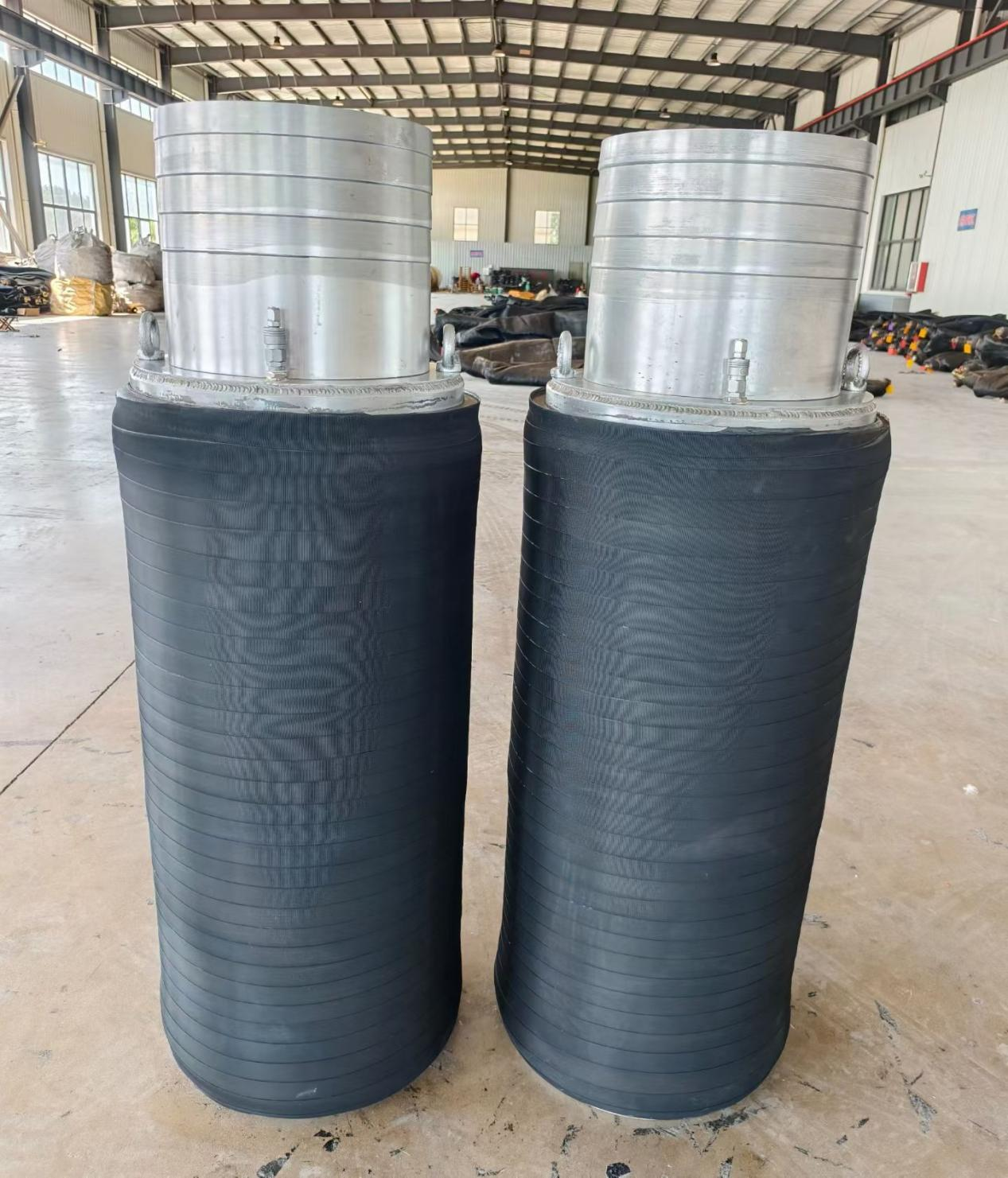
The versatility of the high pressure pipe plug with bypass makes it suitable for a wide range of critical applications:
1. Hot Tapping and Line Stopping: This is the primary application. It allows for the connection of a new branch line or the repair of an existing section without interrupting service to the rest of the network. The plug isolates the work area, while the bypass ensures downstream customers or processes remain unaffected.
2. Pipeline Repair and Replacement: When a section of pipe is damaged or corroded, the plug can be installed on both sides of the compromised area. The bypass maintains system pressure and flow, enabling crews to safely cut out the old section and weld or install a new one.
3. Emergency Leak Containment: In the event of a sudden leak, a high pressure pipe plug with bypass can be deployed rapidly to isolate the failure. This minimizes product loss, environmental damage, and safety hazards, buying crucial time for a permanent repair.
4. System Testing and Commissioning: The plug can be used to pressure test new sections of pipe or isolate them during the commissioning of new equipment, all while the main system remains operational.
The inclusion of a bypass is not a minor detail; it is a game-changer that delivers significant operational benefits:
l Continuous Operation: Eliminates costly and disruptive full-system shutdowns. For municipal water systems or continuous process industries, this can save millions in lost revenue and prevent service interruptions to critical facilities.
l Pressure and Flow Management: The bypass line allows for precise control over downstream pressure and flow rates, preventing pressure surges or starvation in the active parts of the system.
l Enhanced Safety: By maintaining flow, the system prevents the buildup of dangerous gases or vapors in stagnant lines. It also reduces the risk of water hammer upon system restart, a common cause of pipeline failure.
l Operational Flexibility: Engineers can perform complex maintenance tasks without rushing against the clock of a total system outage, leading to higher-quality work and better long-term outcomes.
The high pressure pipe plug with bypass is more than just a tool; it is a strategic asset for any organization reliant on pipeline infrastructure. By enabling isolation without interruption, it embodies the principles of modern industrial maintenance: safety, efficiency, and reliability. As pipeline networks age and the demand for uninterrupted service grows, the role of this advanced plugging technology will only become more vital, ensuring that the flow of essential resources continues, even during essential repairs.