Seismic Isolation Bearings in the Philippines: Enhancing Earthquake Safety for Bridges & Buildings
The Philippines faces significant seismic risks due to its location on the Pacific Ring of Fire. As the nation invests in modern infrastructure, integrating earthquake-resistant technologies has become essential. Seismic isolation bearings are now a widely recognized engineering solution for protecting critical structures, offering enhanced safety and long-term resilience for both new projects and existing buildings.
This article explains how seismic isolation bearings are used in the Philippines, their benefits, and their growing role in the country’s infrastructure development.
What Are Seismic Isolation Bearings?
Application in Philippine Bridge Engineering
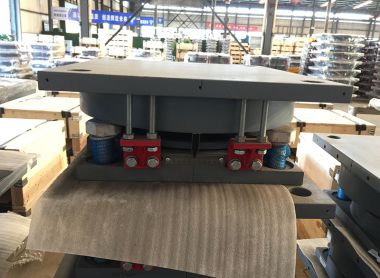
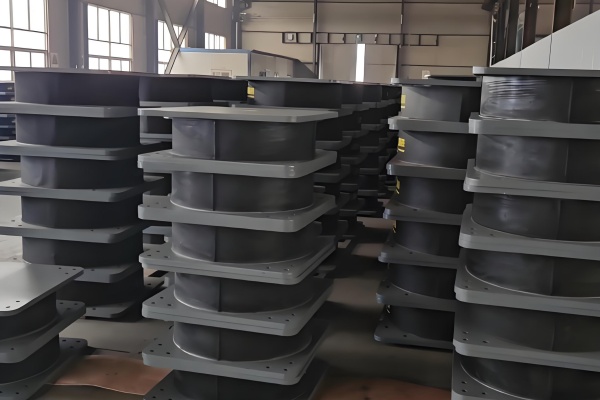
Seismic isolation bearings are specialized devices installed between a building’s foundation and its superstructure. During an earthquake, they act as shock absorbers, reducing the transfer of damaging ground motions to the structure above. This helps prevent structural failure, protects occupants, and minimizes damage to contents and architectural elements.
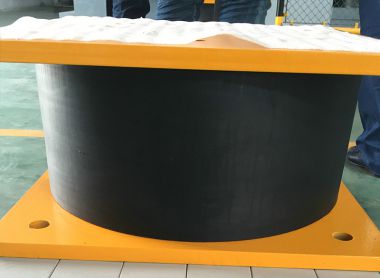
Bridges are vital for transportation, commerce, and emergency response. Their continuous operation after an earthquake is critical.New Bridges: Major projects like the Cebu-Cordova Link Expressway (CCLEX) use lead-rubber isolation bearings to withstand seismic and wind forces while maintaining flexibility and durability.
Retrofitting Existing Bridges: Older bridges can be upgraded with isolation bearings to improve earthquake resistance without the need for complete replacement, extending their service life economically.
Use in Philippine Building Construction
From high-rise towers to essential public facilities, seismic isolation is becoming more common.High-Rise & Commercial Buildings: Condominiums, offices, and hotels in Metro Manila, Cebu, and other urban areas increasingly adopt base isolation to meet stringent safety standards and protect investments.
Essential Public Infrastructure: Hospitals, schools, government buildings, and emergency centers prioritize seismic isolation to ensure they remain functional after a major earthquake—a key aspect of national disaster resilience.
Key Benefits of Seismic Isolation Technology
Improved Life Safety – Significantly lowers the risk of structural collapse during strong earthquakes.
Reduced Structural Damage – Limits harm to both structural and non-structural components, lowering repair costs and downtime.
Long-Term Cost Efficiency – Though initial costs may be higher, isolation bearings reduce lifetime repair expenses and business interruptions.
Compliance with Modern Standards – Supports adherence to the National Structural Code of the Philippines (NSCP) and international best practices in seismic design.
Current Challenges
Higher Initial Investment – Can be a barrier for some projects despite long-term savings.
Need for Specialized Expertise – Requires trained engineers and installers familiar with isolation system design and implementation.
Awareness Gaps – Not all developers and decision-makers fully recognize the value of seismic isolation compared to conventional methods.
The Future of Seismic Isolation in the Philippines
As the Philippines continues to develop its infrastructure, the use of seismic isolation bearings is expected to grow. Advances in local engineering capabilities, increased government emphasis on disaster resilience, and lessons learned from global seismic events will likely drive broader adoption across both public and private sectors.
Conclusion