Home < News < Construction Optimization of Damping and Seismic Isolation Technology in Building Seismic Retrofitting
Construction Optimization of Damping and Seismic Isolation Technology in Building Seismic Retrofitting
Abstract: With the frequent occurrence of earthquake disasters, the seismic performance of building structures has received increasing attention. Damping and seismic isolation technology, as an effective seismic retrofitting method, significantly improves the seismic safety of buildings by reducing the transmission of earthquake energy to the building structure. This paper aims to explore the application of damping and seismic isolation technology in building seismic retrofitting and its construction optimization strategies, providing theoretical guidance and practical reference for actual engineering projects.
Keywords:Damping and seismic isolation technology; building seismic retrofitting; construction optimization; earthquake energy transmission; seismic safety
Introduction
As a natural disaster, earthquakes cause enormous loss of life and property to human society. Traditional seismic design mainly relies on increasing the strength and ductility of building structures, but this approach has limited effectiveness in responding to high-intensity earthquakes. Therefore, damping and seismic isolation technology emerged, mitigating the impact of earthquakes on building structures by isolating or dissipating seismic energy. This paper focuses on the application of damping and seismic isolation technology in building seismic retrofitting and its construction optimization measures.
1 Overview of Damping and Seismic Isolation Technology
1.1 Damping Technology
Damping technology, as the name implies, involves strategically installing various energy dissipation devices within a building structure to reduce the structural vibration response caused by earthquakes. These energy dissipation devices, such as dampers and energy dissipation braces, act as "shock absorbers" within the building structure. When an earthquake occurs, the energy generated by seismic waves is rapidly transmitted to the building structure, triggering structural vibration. At this point, the damping devices begin to play their unique role. Dampers utilize internal fluids or elastic materials to generate a damping effect under seismic forces, converting seismic energy into heat or other forms of energy for dissipation. Energy dissipation braces, on the other hand, absorb and consume seismic energy through their own deformation or friction, effectively reducing the amplitude of structural vibration. Damping technology is widely applicable, whether for high-rise buildings, large-span structures, or irregular structures. By rationally arranging damping devices, their seismic performance can be significantly enhanced. Especially in earthquake-prone areas, the application of damping technology has become an essential choice for building safety protection.
1.2 Seismic Isolation Technology
Unlike damping technology, seismic isolation technology focuses on creating an "isolation zone" – the isolation layer – between the foundation and the upper structure of a building. This special layer, typically composed of isolation bearings and dampers, acts as a "buffer" between the building structure and seismic energy. The arrangement of an isolation layer can significantly prolong the natural vibration period of the structure. Under earthquake action, when the predominant period of seismic waves does not match the natural period of the structure, seismic energy is difficult to transmit effectively to the upper structure. Thus, the isolation layer functions like a "filter," blocking most of the seismic energy from entering the building structure. Seismic isolation technology is particularly suitable for buildings with extremely high seismic safety requirements, such as hospitals, schools, and museums. These buildings often carry important social functions, and their safety cannot be ignored. By adopting seismic isolation technology, the stability of these buildings during earthquakes can be greatly improved, ensuring the safety of personnel and the protection of cultural relics and property.
2 Application of Damping and Seismic Isolation Technology in Building Seismic Retrofitting
2.1 Damping and Seismic Isolation Design for New Buildings
2.1.1 Application of Dampers
Dampers, as devices that can effectively absorb and dissipate seismic energy, play an important role in the design of new buildings. Depending on the specific structure and geographical location of the building, designers can select different types of dampers, such as viscous dampers or friction dampers, and install them at key load-bearing locations, such as beam-column joints and shear wall connections. When an earthquake occurs, these dampers convert seismic energy into heat or other forms of energy through deformation or friction, thereby reducing the impact on the main building structure and protecting it from severe damage.
2.1.2 Innovative Application of Isolation Bearings
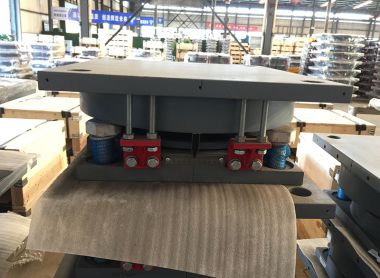
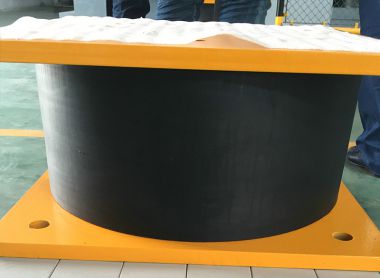
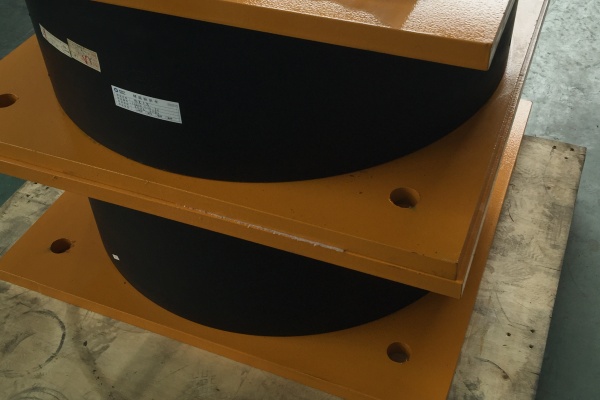
Rubber isolation bearings are another type of damping and seismic isolation technology widely used in new buildings. They utilize the high elasticity and damping characteristics of rubber materials to form a flexible isolation layer between the building foundation and the upper structure, effectively isolating the direct impact of seismic waves on the upper structure. With technological advances, modern rubber isolation bearings not only provide excellent isolation effects but also adapt to various complex geographical environments, such as high-intensity earthquake zones and soft soil foundations. In addition, lead-core rubber isolation bearings, which incorporate a lead core into the rubber to further enhance energy dissipation capacity, have become the preferred isolation solution for new high-rise buildings and large public facilities.
2.2 Seismic Retrofitting of Existing Buildings
2.2.1 Strategies for Adding Dampers
In the seismic retrofitting of existing buildings, the key is to reasonably select and add dampers based on the structural characteristics and existing conditions of the building. For example, for frame structures, viscous or friction dampers can be added at beam-column joints to enhance the overall energy dissipation capacity of the structure. For shear wall structures, dampers can be installed between walls or at the connections between walls and frames to improve the overall stiffness and ductility of the structure. When adding dampers, it is essential to ensure good connection with the original structure to avoid creating new weak points during an earthquake.
2.2.2 Adding and Retrofitting with Isolation Bearings
For some existing buildings, especially those with good foundation conditions but insufficient seismic performance of the upper structure, installing isolation bearings between the foundation and the upper structure can be considered. This process usually requires appropriate retrofitting of the original foundation to ensure that the isolation bearings can be stably installed and function properly. Adding isolation bearings can not only significantly reduce the acceleration response of the upper structure during an earthquake but also effectively reduce structural damage caused by earthquakes, extending the service life of the building.
2.2.3 Development and Implementation of Comprehensive Retrofitting Plans
In practice, seismic retrofitting of existing buildings often requires the comprehensive consideration of multiple technical measures to form a complete retrofitting plan. This includes, but is not limited to, the addition of dampers, the installation of isolation bearings, the strengthening and reinforcement of structural components, and seismic treatment of non-structural components. The design of the retrofitting plan should be based on detailed structural inspection and assessment, ensuring that the retrofitting measures are both effective and economical, while not affecting the normal use function of the building.
3 Construction Optimization Strategies for Damping and Seismic Isolation Technology
3.1 Scientific Layout of Seismic Isolation Devices
As the core of damping and seismic isolation technology, the scientific nature of the layout of seismic isolation devices directly affects the seismic performance of the entire system. In the construction of seismic isolation retrofitting, it is necessary to comprehensively consider the structural characteristics of the building, the propagation characteristics of seismic waves, and the performance parameters of the seismic isolation devices. Through detailed planning, the optimal layout of seismic isolation devices can be achieved. First, for high-rise buildings, due to their large self-weight and high height, the inertial forces under earthquake action are enormous. Therefore, setting a rubber bearing isolation layer at the base of the building becomes the preferred solution. Rubber bearings, with their good elasticity and energy dissipation performance, can effectively absorb and disperse seismic energy, reducing the vibration response of the upper structure. When arranging rubber bearings, their load-bearing capacity and deformation capacity should be fully considered to ensure stable operation under earthquake action. At the same time, rubber bearings should be evenly distributed to avoid damage caused by local overloading. For mid- and low-rise buildings, inter-story isolation structures become an effective isolation method. By setting an isolation layer on the first or certain floors of the building, the building is divided into two relatively independent parts, effectively blocking the transmission of seismic energy to the upper structure. When arranging inter-story isolation structures, the functional layout and stress characteristics of the building should be fully considered to ensure that the isolation layer can fully exert its isolation effect. Additionally, attention should be paid to the connection between the isolation layer and the upper and lower structures to ensure the integrity and stability of the structure. Furthermore, the layout of seismic isolation devices should also fully consider the propagation direction of seismic waves. Seismic waves encounter various obstacles and reflective surfaces during propagation, forming a complex wave field. Therefore, when arranging seismic isolation devices, simulation and analysis of the seismic wave propagation path should be conducted to avoid direct impact or influence of reflected waves on the devices. At the same time, by adjusting the direction and angle of the seismic isolation devices to form a certain angle with the propagation direction of seismic waves, the impact of seismic energy on the building structure can be further reduced.
3.2 Precise Installation of Damping Devices
Damping devices, as key components of damping technology, have their installation accuracy directly affecting their damping effect. During the construction process, installation must be carried out strictly in accordance with design requirements. Through rigorous operations, the position, direction, and angle of damping devices must be accurately ensured to maximize the damping effect. Before installation, damping devices should be thoroughly inspected, including their appearance quality, dimensions, and performance, to ensure they are intact and functioning properly. At the same time, the installation position and direction of the damping devices should be determined according to the design requirements, and accurately marked at the construction site. For damping devices that require angle or direction adjustment, precise measuring tools should be used for positioning and adjustment to ensure consistency with the design requirements. During installation, professional installation tools and equipment should be used to ensure that the connection between the damping devices and the building structure is firm and reliable. For damping devices that require welding or bolting, construction should strictly follow the technical requirements for welding or bolting to ensure the strength and stability of the connection points. At the same time, attention should be paid to the interaction between damping devices and surrounding components to avoid affecting the working effect of the damping devices due to deformation or displacement of other components. After installation, damping devices should be comprehensively inspected and tested to ensure their installation quality and working status meet the design requirements. Any problems or hidden dangers found should be promptly addressed and repaired. At the same time, detailed maintenance records should be established, and damping devices should be regularly maintained and inspected to ensure they remain in good working condition for a long time.
3.3 Optimization of Structural Stiffness and Strength
In seismic isolation and damping retrofitting construction, in addition to rationally arranging and precisely installing damping and seismic isolation devices, the structural stiffness and strength of the building should also be optimized. First, adding seismic walls is an effective method for optimizing structural stiffness. Seismic walls can absorb and disperse seismic energy, reducing the structural vibration response. When adding seismic walls, the position, number, and thickness of the walls should be reasonably determined based on the structural characteristics and stress conditions of the building. At the same time, the connection method and load transfer path between the seismic walls and the original structure should be considered to ensure that the seismic walls can fully exert their seismic function. For high-rise buildings or buildings with complex structures, structural forms such as shear walls and frame-shear walls can also be used to further improve structural stiffness and strength. In addition to adding seismic walls, structural strength can also be improved by adding bracing structures. Bracing structures can limit structural deformation and displacement, improving the overall stability of the structure. When adding bracing structures, the form, position, and number of braces should be reasonably determined based on the functional layout and stress characteristics of the building. At the same time, the connection method and load transfer path between the bracing structures and the original structure should be considered to ensure that the bracing structures work stably and reliably. For large-span or irregular structures, new forms of bracing, such as steel braces or prestressed braces, can also be used to further improve the seismic performance of the structure. Furthermore, the stiffness and strength of the structure can be improved by optimizing the dimensions and shapes of structural components. For example, increasing the cross-sectional dimensions of beams and columns, adopting more reasonable cross-sectional shapes (such as box sections, circular sections, etc.), and increasing the strength grade of concrete. These measures can effectively improve the load-bearing capacity and seismic performance of the structure, enabling it to better resist deformation and damage under earthquake action.
3.4 Strict Control of Construction Quality
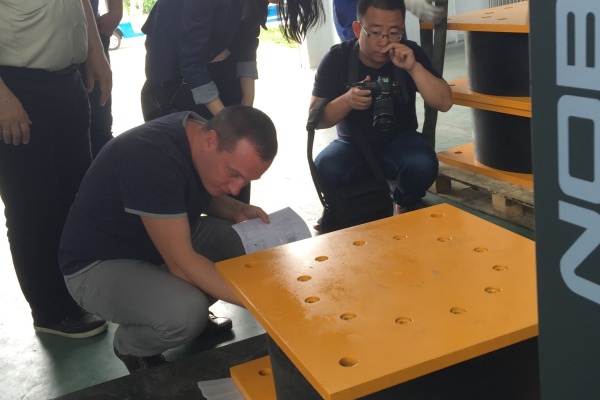
First, before raw materials, components, and equipment are brought to the site, they should be comprehensively inspected and accepted. Check whether their quality certification documents, appearance quality, dimensions, and performance meet the design requirements and relevant standards. Unqualified products should be strictly prohibited from use, and promptly returned or replaced. At the same time, a ledger of raw materials, components, and equipment should be established to record and manage their sources, quantities, and usage in detail. During the construction process, supervision and management of the construction process should be strengthened. Establish a sound quality management system and quality control process, clarifying the quality standards and acceptance requirements for each procedure. For key processes and concealed work, on-site supervision or video monitoring should be carried out to ensure the controllability and traceability of the construction process. At the same time, training and management of construction personnel should be strengthened to improve their professional skills and sense of responsibility. Through regular training and education activities, enhance construction personnel's understanding and application ability of damping and seismic isolation technology, ensuring the standardization and accuracy of the construction process. In addition, inspection and acceptance of construction quality should be strengthened. During and after the construction process, comprehensive inspection and acceptance of construction quality should be carried out. Any problems or hidden dangers found should be promptly rectified and addressed. For concealed work or key parts, cut-open inspection or sampling testing should be carried out to ensure their quality meets the design requirements. At the same time, detailed quality records and quality reports should be established to record and summarize the quality control situation, quality inspection results, and rectification situations during the construction process in detail, providing a basis for subsequent maintenance and optimization.
3.5 Strengthening Post-Construction Monitoring and Evaluation
After the installation of damping and seismic isolation devices is completed, in order to ensure their long-term effective seismic performance, an effective monitoring and evaluation mechanism must be established. Through continuous follow-up and regular monitoring and evaluation, the working status and effect of damping and seismic isolation devices can be understood in a timely manner, providing a basis for subsequent maintenance and optimization. First, a sound monitoring system should be established. According to the characteristics of the building and the type of damping and seismic isolation devices, select appropriate monitoring equipment and methods. For example, displacement sensors and acceleration sensors can be installed on the damping and seismic isolation devices to monitor parameters such as displacement, deformation, and acceleration in real time. At the same time, methods such as vibration testing and stress testing can be used to regularly evaluate the seismic performance of the building. Through real-time transmission, analysis, and processing of monitoring data, the working status and effect of damping and seismic isolation devices can be understood in a timely manner, providing data support for subsequent maintenance and optimization. Second, monitoring data should be regularly analyzed and evaluated. Through processing and analysis of monitoring data, the response of damping and seismic isolation devices under earthquake action, their energy dissipation performance, and any potential problems can be understood. Any problems or anomalies found should be promptly addressed and repaired. At the same time, based on the monitoring results, damping and seismic isolation devices should be optimized and upgraded to improve their seismic performance and energy dissipation capacity. For example, for isolation devices prone to aging, such as rubber bearings, they should be regularly replaced or maintained; for easily worn components in damping devices, such as dampers, their wear condition should be regularly checked and replaced promptly. In addition, continuous improvement and upgrading of damping and seismic isolation technology should be strengthened. With the continuous advancement of technology and the accumulation of engineering practice experience, damping and seismic isolation technology is also constantly being updated and developed. Therefore, close attention should be paid to new seismic technology research results and engineering practice experience, and advanced technologies and methods should be applied to actual engineering projects in a timely manner. At the same time, research, development, and innovation of damping and seismic isolation technology should be strengthened to promote the continuous progress and development of this technology. By continuously improving and upgrading damping and seismic isolation technology, the seismic performance of buildings can be continuously enhanced, providing stronger protection for the safety of people's lives and property.
Conclusion
Damping and seismic isolation technology, as an effective seismic retrofitting method, has significant advantages in improving the seismic safety of buildings. By reasonably selecting damping and seismic isolation devices, optimizing installation positions, and strengthening construction management, the effectiveness and reliability of this technology can be further improved. In the future, with the continuous development and refinement of the technology, damping and seismic isolation technology will play an even more important role in building seismic retrofitting.