How to Properly Select a Rubber Inflatable Pipe Plug (Water Stopping Airbag)
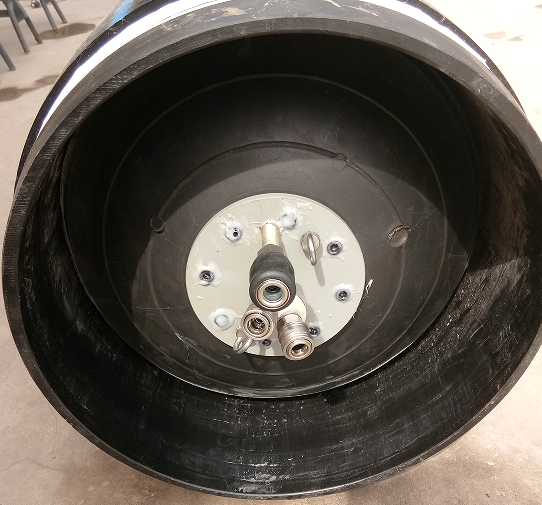
Rubber inflatable pipe plugs, often referred to as water stopping airbags or pipe balloons, are essential tools in municipal engineering, plumbing maintenance, and pipeline construction. Whether you are performing a hydrostatic test on a new sewer line, repairing a cracked drain, or rerouting flow in an industrial setting, the proper selection of the airbag is critical to operator safety and seal integrity. Choosing the wrong type or size can lead to blowouts, slippage, or immediate puncture.
1. Sizing and Diameter: The 5-10% Rule
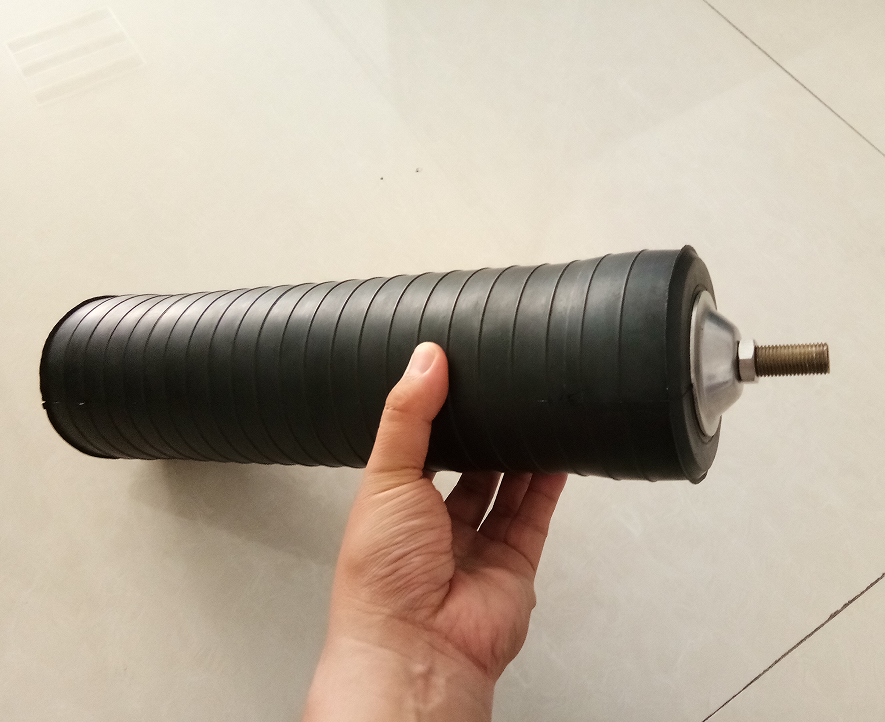
The most fundamental rule is that the airbag must match the pipe's inner diameter (ID) . Using an undersized bag in a larger pipe ("small for big") is a primary cause of seal failure and dangerous projectile accidents .
l Standard Fit: The deflated diameter of the airbag should be slightly larger than the pipe ID, typically by 5% to 10%. This allows the rubber to achieve full circumferential contact without over-stretching the material to its failure point .
l Oversizing Risk: A bag that is too large will fold or wrinkle inside the pipe, preventing a uniform seal and creating high-pressure pinch points that lead to rupture.
l Undersizing Risk: A bag that is too small will "cigar" (elongate excessively) to reach the pipe wall. This hyper-extension thins the rubber wall, drastically reducing its pressure capacity and increasing the risk of a burst .
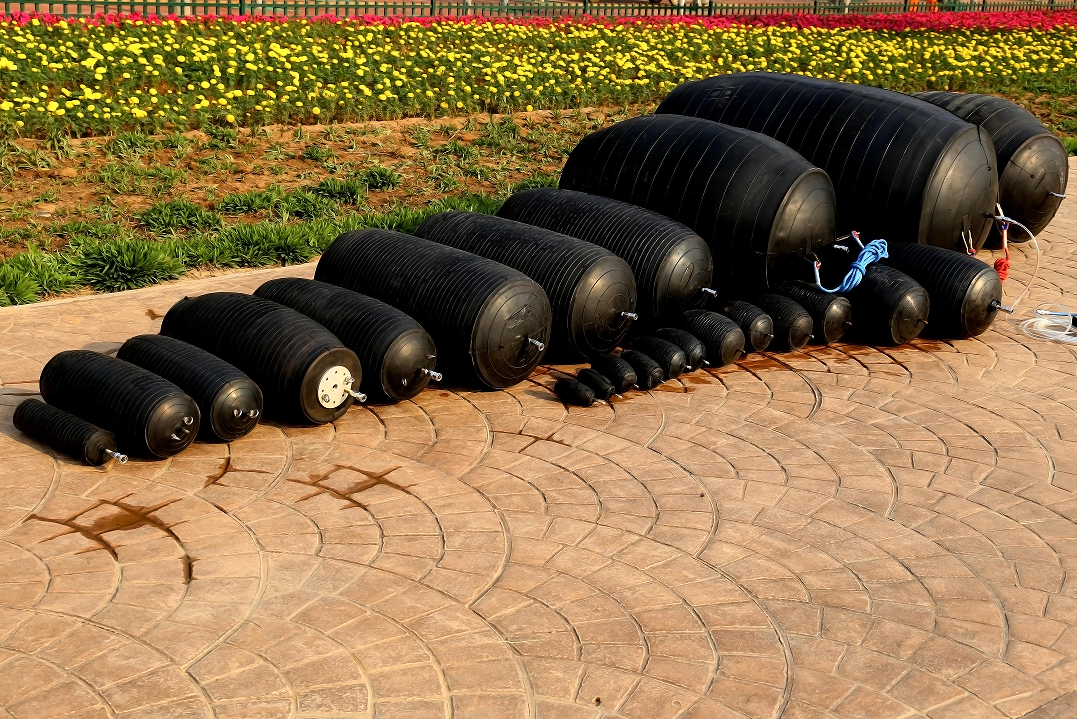
l Specification Range: Standard stock sizes cover a broad range, typically from DN50 (2") up to DN2000 (80") and beyond. Ensure the specific model number matches your exact measured pipe ID .
2. Pressure Rating: Matching Depth and Head Pressure
Not all rubber airbags are created equal in terms of strength. They are classified by their working pressure capacity, which directly correlates to the water depth or line pressure they can withstand.
l Low Pressure (0.03 MPa): Suitable for shallow gravity-fed sewer lines, floor drains, and standard residential DWV (Drain-Waste-Vent) testing where there is minimal back pressure .
l Medium to High Pressure (0.05 MPa - 0.2 MPa+): Required for deep manholes, municipal mains, or applications where the water column height exceeds 10-15 feet. For deeper submersion (e.g., 10m+ water head), a reinforced high-pressure airbag rated at 0.2 MPa or higher is mandatory .
l Material Distinction: Low-pressure plugs may be constructed of pure, un-reinforced rubber. High-pressure plugs must be constructed of multi-layer natural rubber reinforced with high-tensile fiber cord (similar to tire construction) to resist ballooning and tearing .
3. Material Compatibility and Environment
The rubber compound must be compatible with the fluid and environment inside the pipe.
l Standard Sewage/Water: Natural rubber with a fiber reinforcement layer is the industry standard due to its excellent elasticity and abrasion resistance .
l Oily or Chemical Environments: If the pipeline contains industrial effluent, hydrocarbons, or oil residue, a standard natural rubber airbag will swell and degrade rapidly. In these scenarios, select an airbag made from Nitrile (NBR) or Neoprene compounds, which offer superior oil and chemical resistance .
l Temperature Extremes: Standard airbags operate effectively between -40°C and 60°C. For high-temperature cleaning or steam applications, EPDM (Ethylene Propylene Diene Monomer) rubber is preferred for its thermal stability .
4. Length and Bypass Considerations
The length of the airbag determines its resistance to movement caused by pressure differential.
l Plug Length: As a rule of thumb, the airbag length should be at least 1.5 to 2.0 times the pipe diameter to ensure sufficient friction against the pipe wall and prevent the plug from sliding downstream when back pressure builds .
l Bypass Capability: If the job requires flow control rather than complete stoppage, or if you need to relieve pressure buildup behind the plug, select a model with a built-in bypass hose. This allows controlled leakage through the plug, preventing a "water hammer" effect that can dislodge the bag.